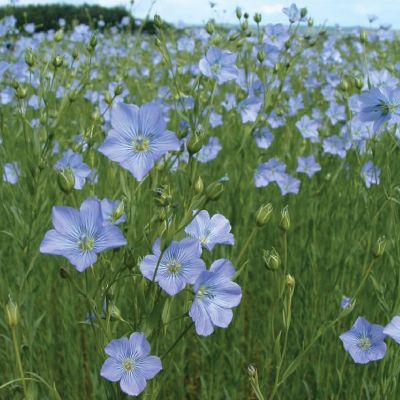
≈600–2,000 L/kg (often far lower than conventional cotton).
Carbon
Often rated highly due to low overall resource use; exact CO₂e varies by farming + processing.
Land use / byproducts
High land-use efficiency compared to some other natural fibers; flax can yield multiple co-products.
Molecular origin
Cellulose (β-1,4-linked glucose polymer)
Molecular breakdown
β-1,4-glycosidic bonds in cellulose can be cleaved by cellulase-producing microbes in soil.
Scientific note
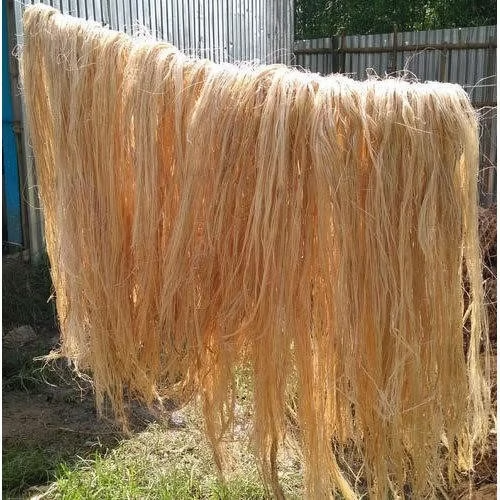
Cellulosic bast fiber from flax stalks; generally low resource intensity. Retting/process choice affects wastewater and residual pectin/lignin; heavy resin finishes and blends can slow biodegradation.
Key scientific issues
Low resource intensity; typically lower chemical finish load, but may retain plant pectin depending on processing.
Cotton (conventional)
Source
Plant
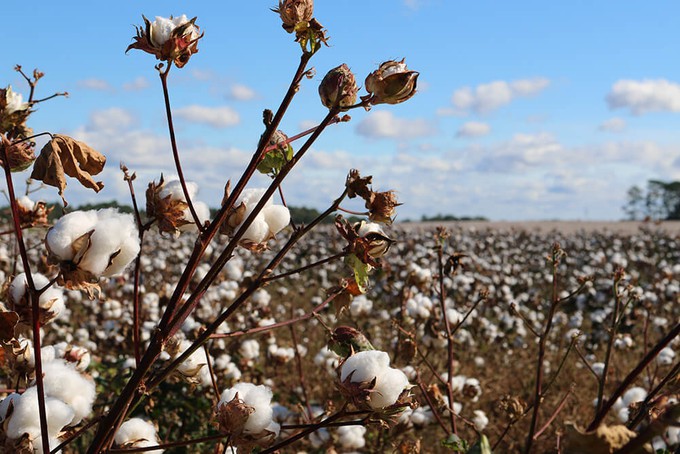
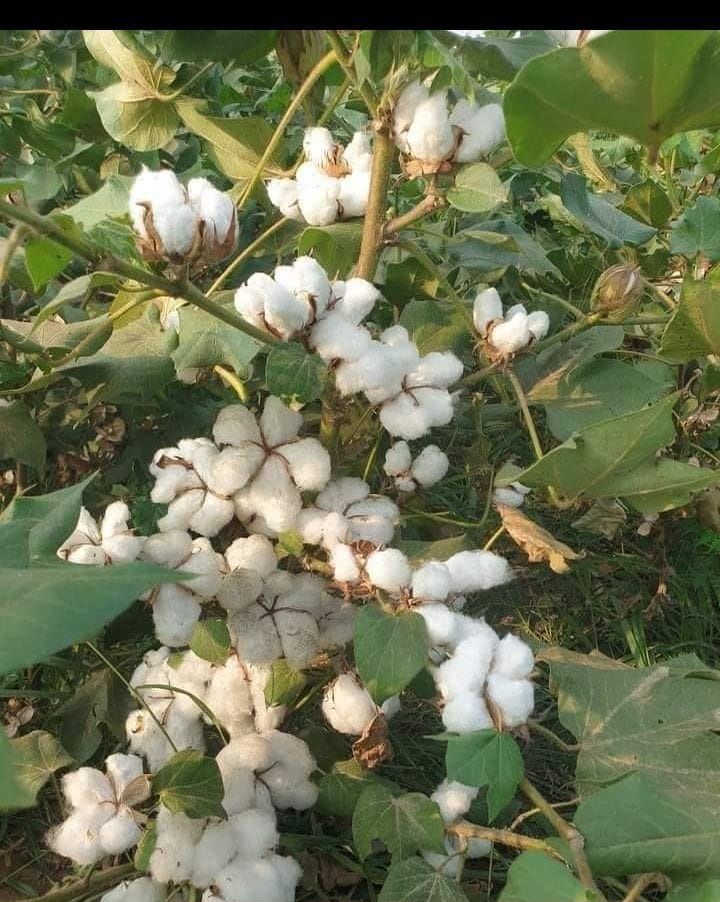
Cotton plant | India / China / US
Compostable
Yes
Yes if 100% cotton and not heavily coated; blends/finishes can prevent composting. Breakdown time varies widely (often months).
Top issues
Heavy use of synthetic pesticides, herbicides, synthetic fertilizers, and irrigation in many growing regions.
High water draw, soil degradation, chemical runoff, and worker exposure to pesticides where practices lag.
Garment finishes (wrinkle-free resins, coatings) and elastane blends still block composting and recycling.
It is still a natural plant fiber (cellulose), but conventional cotton farming is often associated with: high water use, soil degradation, chemical runoff, and worker exposure to pesticides. The fiber itself is biodegradable—the farming system is what makes it environmentally heavy.
Key scientific issues
Versus organic cotton: the staple chemistry is essentially the same (cellulose). Organic cotton avoids synthetic pesticides and GMOs, avoids most synthetic fertilizers under credible certification, and typically uses crop rotation, healthier soil practices, and more natural pest control—so it is generally lower toxicity, lower chemical runoff, and better for soil health. Tradeoffs: organic cotton can still use a lot of water; dyeing and finishing can still be chemically intensive unless processing is also certified or tightly controlled.
Organic cotton
Source
Plant
Cotton plant (organic-certified agriculture) | India / Turkey / US / China (certified supply varies)
Compostable
Yes
Same as conventional when the textile is predominantly cellulose without heavy coatings; blends and finishes can still prevent composting.
Top issues
Irrigation can still be high—organic does not automatically mean a small water footprint.
Dyeing, bleaching, and finishing downstream can still be chemically intensive without verified processing standards.
Claims vary; credible certification and traceability matter more than the word “organic” alone.
Reactive / Direct (cellulosic attachment is the same as conventional cotton)
Molecular origin
Cellulose
Scientific note
Organic cotton is grown without synthetic pesticides, GMOs, and most synthetic fertilizers under credible organic systems. It typically favors crop rotation, healthier soil practices, and more natural pest control. The fiber itself is not radically different from regular cotton—the main difference is how it is farmed and processed upstream.
Key scientific issues
Organic cotton is generally lower toxicity, lower chemical runoff, and better for soil health than typical conventional systems. BUT: it can still use a lot of water in arid regions; dyeing and finishing can still be chemically intensive unless the full supply chain (for example GOTS-style chemical restrictions and wastewater treatment) is addressed.
Wool
Source
Animal
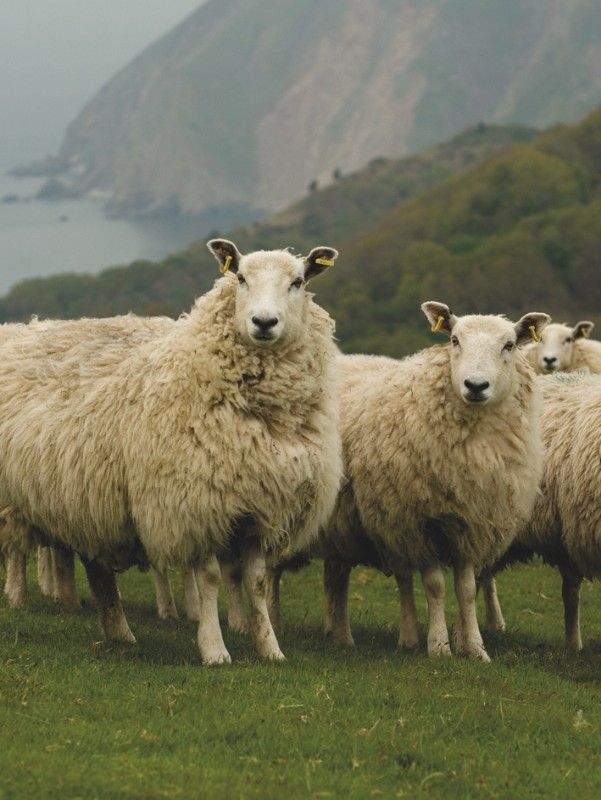
Sheep | UK / Australia | ShearedFiber is sheared from the animal; sheep are not killed for wool.
Compostable
Yes
Keratin is biodegradable; treatments/coatings (e.g., superwash) can slow breakdown (often months–years depending on conditions).
Top issues
Impacts depend heavily on grazing/land management and methane accounting.
Superwash/coatings can reduce biodegradability and add polymer layers.
Animal welfare + supply-chain transparency vary by producer.
Months–years (depends on conditions and treatments)
Dye type
Acid dyes (protein affinity)
Molecular origin
Keratin (protein)
Scientific note
Protein fiber with disulfide crosslinks. “Superwash” commonly adds polymer coatings for washability, which can reduce biodegradation and affect micro-shedding behavior.
Cashmere
Source
Animal
Cashmere goat undercoat | Mongolia / China / Central Asia | ShearedFiber is combed or sheared during molting; goats are not typically raised solely to be slaughtered for cashmere.
Compostable
Yes
Keratin fibers biodegrade in soil/compost when not heavily coated; dyes and synthetic finishes slow breakdown.
Top issues
Grazing pressure: poorly managed herd expansion has been linked to steppe degradation and desertification in some regions.
Welfare and husbandry vary; low prices can correlate with rushed combing and weak veterinary oversight in opaque chains.
Blends and polymer finishes (like wool) can block composting and obscure fiber content on care labels.
Months–years (depends on care, weave, and chemical finishes)
Dye type
Acid dyes (protein affinity)
Molecular origin
Keratin (protein; finer diameter than most wool)
Scientific note
Chemically a keratin protein fiber like wool, but much finer and softer. Environmental story is dominated by land use, grazing intensity, and fiber economics—not the molecular backbone alone.
Key scientific issues
Impacts scale with herd density and pasture health. Premium pricing can support better practices, but global demand growth has historically stressed some rangelands. Traceability programs help separate higher-stewardship clips from commodity mixes.
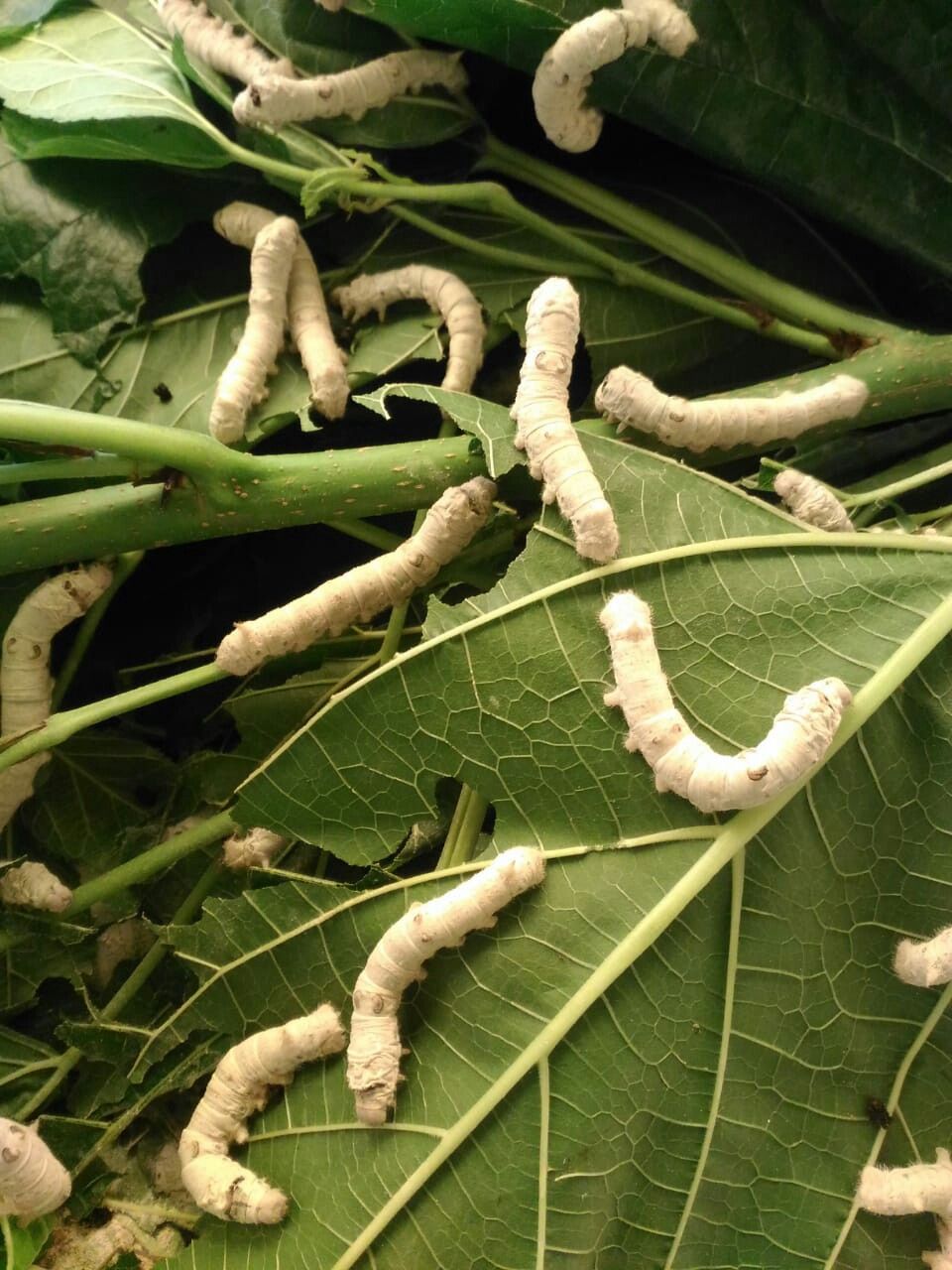
Silk
Source
Animal
Silkworms | China / India
Compostable
Yes
Protein fiber (fibroin) is biodegradable; dyed/finished silks may break down more slowly (often months depending on conditions).
Top issues
Animal welfare concerns depend on production method and standards.
Dyeing/finishing chemistry can dominate impacts (especially for bright colors).
Delicate care requirements can affect longevity and laundering footprint.
Cocoon cycle (weeks); textile lifecycle depends on care and weave
Dye type
Acid dyes / natural dyes (protein affinity)
Molecular origin
Fibroin (protein)
Scientific note
Silk is a protein fiber (fibroin) with high strength and luster. Sustainability varies widely by sericulture practices, energy use, and finishing chemistry.
Leather
Source
Animal
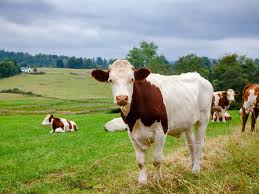
Cattle hides | GlobalCommercial leather is overwhelmingly from cattle raised for beef/dairy; the animal is slaughtered. Leather is not “harvested” like wool.
Compostable
Partial
Raw hide: Yes Untreated skin is nitrogen-rich organic matter that microbes can break down quickly in suitable soil or compost.
Chrome-tanned: No This is how the large majority of global leather (~90%) is made; chromium preserves the hide and would add heavy metals to your pile or soil.
Plant-tanned: Yes Plant tannins fix the hide without chrome, so it can eventually return to soil, though slowly (months to years).
Finished / PU-coated: No A polyurethane (or similar) shine or water barrier is common on modern goods and will not compost.
Top issues
Chemical toxicity (tanning): ~90% of global leather is chrome-tanned; chromium can leach into water—especially concerning near sensitive watersheds (e.g. South Florida / Everglades-linked drainage).
Supply chain traceability: hides are hard to trace end-to-end; “sustainable” branding can still sit on deforestation-linked cattle or weak welfare without rigorous chain-of-custody.
Co-product vs by-product: selling hides can make industrial livestock more profitable—you decide if “rescuing” a hide financially supports a system you reject.
Raw hide: can biodegrade on weeks–months scale in soil; vegetable-tanned: months–years; chrome-tanned: extremely slow (metals preserve); PU-coated: plastic layer persists.
Dye type
Pigment / aniline / surface finishing (leather is finished, not conventionally “dyed” like yarns)
Molecular origin
Collagen-rich corium (hide) crosslinked and stabilized by tanning chemistry (vegetable, chrome, aldehyde, or hybrid systems)
Molecular breakdown
Tanning stabilizes collagen triple-helices against microbial attack; chrome(III) complexes are especially durable. Coatings add a synthetic phase that is chemically disjoint from the hide’s biodegradation pathway.
Scientific note
“Ethical leather” is rare in market share terms: most leather is chrome-tanned and/or coated, which blocks meaningful composting and can introduce persistent toxics. Vegetable-tanned, uncoated leather is the main pathway where end-of-life can align with soil—still slowly, and still tied to livestock systems.
Key scientific issues
Chrome tanning dominates globally (~90%) with chromium leaching risk to waterways. Traceability gaps hide land-use and welfare upstream. Co-product economics link leather revenue to livestock scale. Only some vegetable-tanned, minimally coated articles approach a compost-adjacent end-of-life—and slowly.
Hemp
Source
Plant
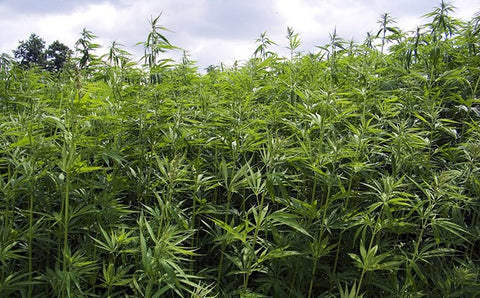
Hemp plant stalks (bast fiber) | China / EU / Canada (fiber supply varies)
Compostable
Yes
Pure hemp textile behaves like other cellulosics in compost; synthetic blends and heavy finishes change outcomes.
Top issues
Retting/degumming chemistry and wastewater treatment still matter—“natural” does not automatically mean benign processing.
Retail blends and coatings (elastane, water repellents) can block composting like other apparel.
Certification and traceability vary; verify farm practices separately from mill finishes.
Cellulose (bast fiber from stem; lignin/pectin reduced in processing)
Scientific note
Textile hemp is low-THC Cannabis sativa. Bast fibers are rich in cellulose like flax, though the stem often carries more lignin upfront; sustainable credentials depend on crop inputs, retting method, and downstream dyeing.
Key scientific issues
Field pesticide loads are often lower than many conventional cotton systems, but total footprint is still set by mechanical/chemical retting, energy at the mill, and garment finishing—not the fiber name alone.
*
From all my research, I would say that Linen is the most sustainable of the natural
fabrics. It is absolutely incredible. Flax thrives in poor soil where other crops
struggle, requiring the least amount of land, water, and energy to produce.
To compare: Linen uses minimal water, roughly 600L per kg compared to a
staggering 7,000L for conventional cotton. It grows fast, harvesting in
under 100 days, and its unique molecular structure makes it home-compostable in as little as 2 weeks.
Semi-Synthetic fabrics
Viscose
Source
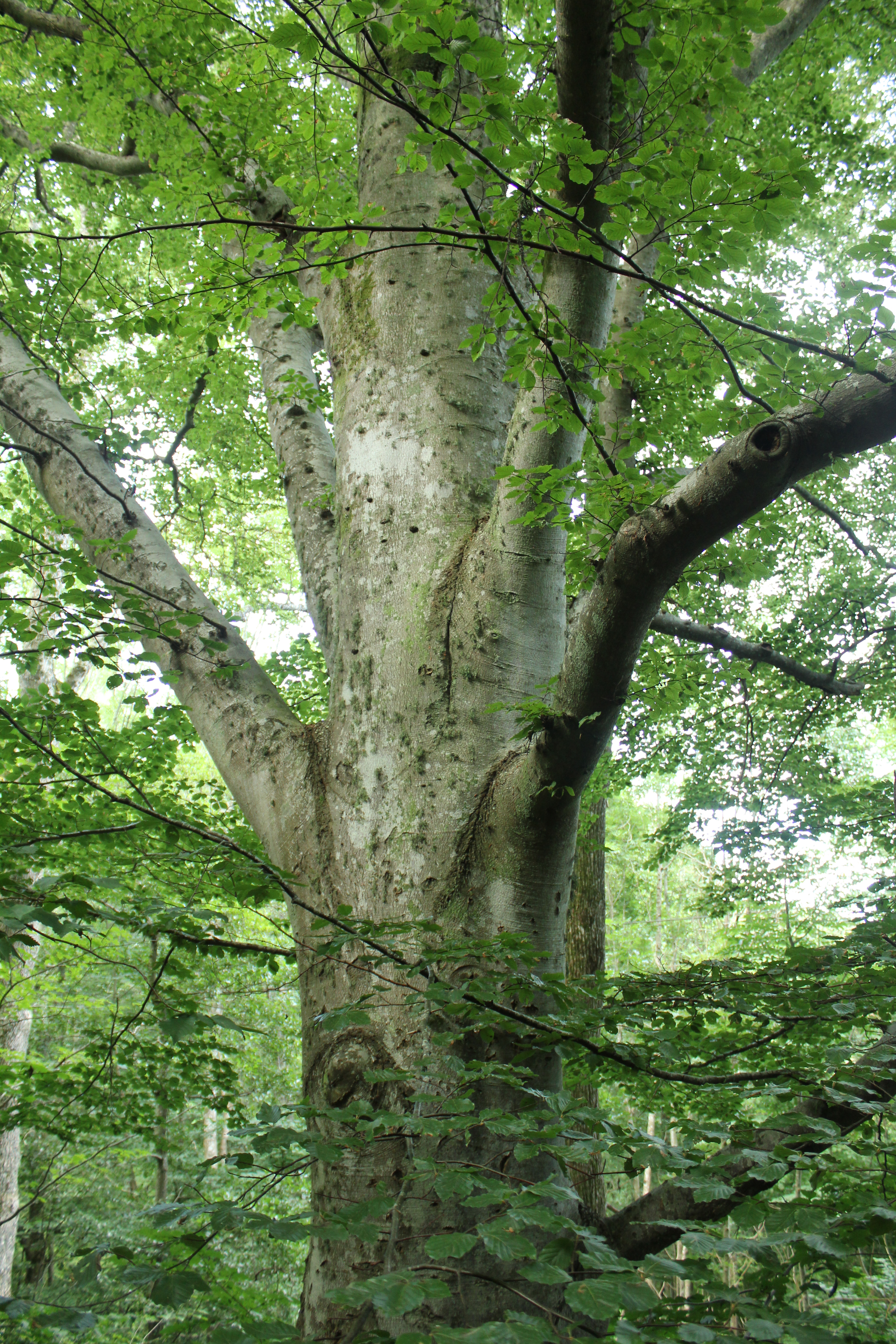
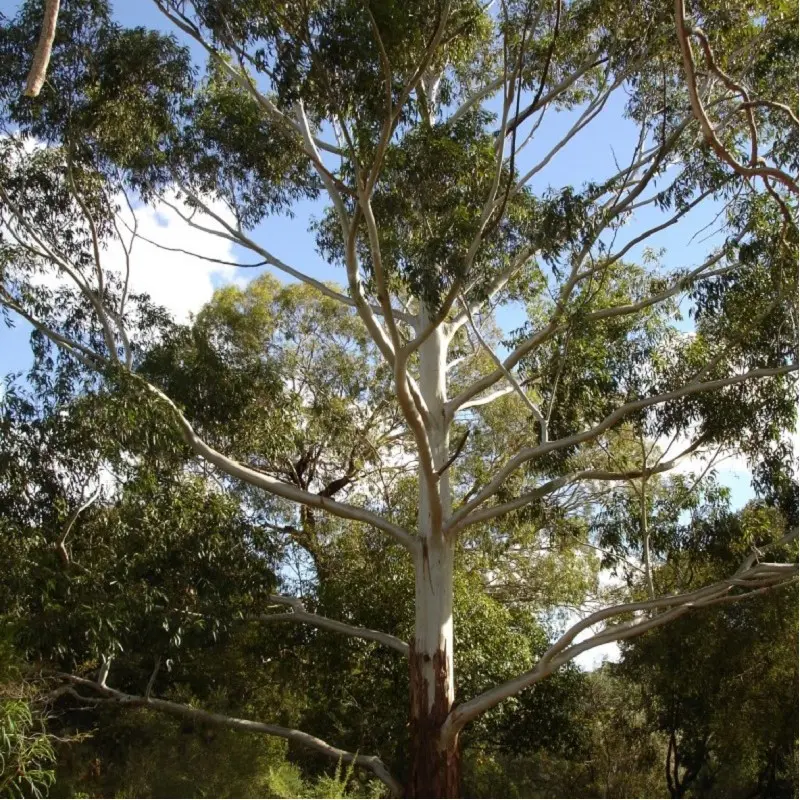
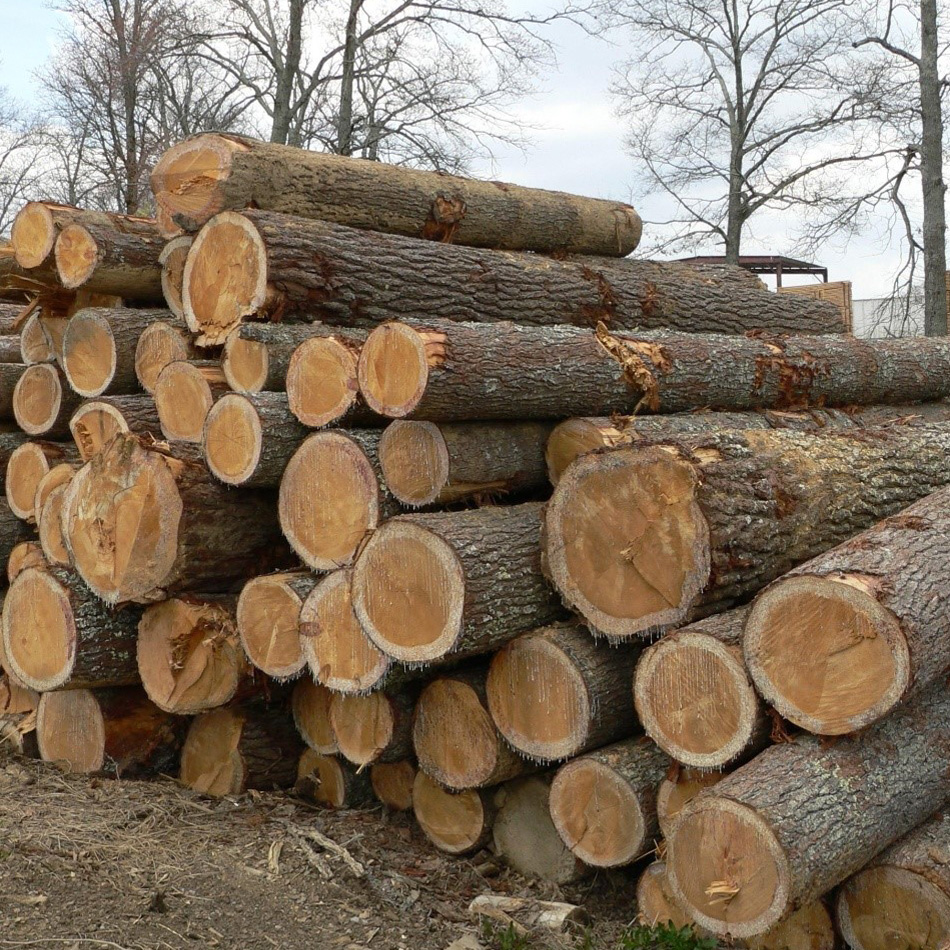
Beech, eucalyptus, spruce and other wood pulp | Asia / Europe
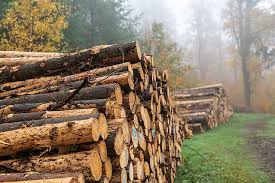
Cellulose xanthate route: pulp is treated with alkali and carbon disulfide, then spun into fiber; often labeled “viscose” in the EU and UK. Dissolving pulp is commonly sourced from hardwoods like beech and eucalyptus and from softwoods such as spruce—mill and forestry certification determine how sustainable the feedstock is.
Compostable
Yes
100% viscose without plastic coatings is generally biodegradable; elastane or membrane backings make garments persist.
Top issues
Carbon disulfide exposure and emissions are a legacy risk where equipment and recovery are weak.
Wastewater sulfidity and zinc (in some spin baths) need tight treatment standards.
Same end-use caveats as other cellulosics: blends and durable-press finishes block composting.
Months in compost if pure and lightly finished; slower with heavy dyes or coatings
Dye type
Reactive / Direct
Molecular origin
Regenerated cellulose (viscose process)
Scientific note
Viscose is chemically regenerated cellulose—similar end chemistry to rayon labeling in the US. The name highlights the xanthate process; feedstock can include spruce and other conifer pulp as well as hardwoods. Environmental performance is not intrinsic to the word but to mill design, forestry practices, and chemical management.
Key scientific issues
EU Ecolabel and similar schemes reward low-emission viscose lines. Supply chains draw on varied dissolving pulps—including spruce and other softwoods—so certification and mill audits matter. Modal and lyocell are different regeneration families (modal: high-wet-modulus viscose-type variants; lyocell: NMMO solvent) with different solvent profiles—do not assume one supply chain equals another.
Modal
Source
Beech tree (hardwood) | Europe / Asia
Typically hardwood dissolving pulp (often beech) processed into a regenerated cellulose fiber engineered for higher wet strength than conventional viscose.
Compostable
Yes
Pure modal behaves like other cellulosics for biodegradation; blends and finishes change outcomes.
Top issues
“Modal” on a label is not automatically Lenzing Modal™—verify mill and certification when claims matter to you.
Pulp forestry practices still need scrutiny (biodiversity, chemical pulping impacts).
Downstream dyeing/finishing can still be chemically intensive despite a cleaner spinning step.
Modal fibers are still cellulose chains like viscose, but stretching and regeneration conditions yield higher wet modulus and less loss of strength when wet—useful for knitwear. Better mill practices can reduce the worst viscose effluent issues, but geography and supplier audits still matter.
Key scientific issues
Modal is not a separate polymer from viscose—it is a performance variant of regenerated cellulose. Compare mills on solvent recovery, CS₂ metrics, and third-party fiber certifications rather than the word alone.
Lyocell (Tencel)
Source
Eucalyptus or beech tree | Europe / Asia
Sourced from eucalyptus or beech wood pulp; produced via solvent spinning with high solvent recovery in well-managed systems.
Compostable
Yes
Often home compostable in roughly ~8 weeks if uncoated; real-world time varies with weave/finishes.
Top issues
Requires responsible forestry + certification to avoid land-use harms.
Finishes/blends can reduce compostability.
Not all “lyocell-like” claims imply true closed-loop recovery.
Rapid chemical spinning; compostable in ~8 weeks (typical home conditions, uncoated)
Dye type
Reactive / Direct (cellulosic affinity)
Molecular origin
Regenerated cellulose
Scientific note
Lyocell uses a different solvent system than viscose and is commonly run with high solvent recovery. As a cellulose fiber, it can biodegrade relatively quickly under compost conditions if not coated.
Rayon
Source
Wood or bamboo pulp | Asia / Europe / Americas
Wood, bamboo, or other cellulosic pulp is dissolved and extruded as regenerated cellulose; most mass-market rayon uses the viscose process.
Compostable
Yes
Pure regenerated cellulose can biodegrade like cotton in many conditions; coatings, metallic prints, and synthetic blends prevent meaningful composting.
Top issues
*
The generic umbrella term. Often indicates a mix of untraceable wood pulp and high
chemical waste.
Chemical recovery and wastewater treatment determine worker safety and river impacts (viscose historically used carbon disulfide).
Pulp origin matters: uncertified wood can carry deforestation or old-growth risk.
Garment blends with polyester/elastane dominate retail and block composting and high-quality recycling.
Months in compost if pure and lightly finished; slower with resin finishes
Dye type
Reactive / Direct (cellulosic hydroxyl sites)
Molecular origin
Regenerated cellulose (same polymer class as wood/cotton cellulose, re-formed into filaments)
Scientific note
“Rayon” is a marketing/regulatory umbrella (especially in the US) for several regenerated fibers; everyday apparel rayon is usually viscose-type chemistry. The fiber is not plastic like polyester, but the factory chemistry and effluent control dominate the footprint.
Key scientific issues
Not all rayon is identical—cupro and lyocell are different regeneration chemistries with different hazard profiles. For viscose-type rayon, closed-loop recovery and CS₂ management are the critical engineering controls.
*
“Rayon” is the official category for any man-made fiber created from regenerated cellulose. This
includes Viscose, Modal, Lyocell, and Cupro. Adding it separately helps highlight that when a tag just says
“Rayon,” it is usually the least sustainable version of the bunch.
Plastic Fabrics
Polyester
Polyester
Polyester (PET) is the most common synthetic textile on Earth. It is usually made from purified terephthalic acid (PTA) and monoethylene glycol (MEG), both derived from petroleum or natural gas. These molecules undergo polymerization to create long chains called polyethylene terephthalate. Polyester became dominant because it is cheap, wrinkle resistant, lightweight, and hydrophobic (it repels water rather than absorbing it). Scientifically, its tightly packed polymer chains create high durability and resistance to biodegradation. That same durability is also why it persists in the environment for centuries. Polyester production is highly energy intensive because crude oil must first be extracted, refined, chemically cracked into precursor molecules, then heated under pressure during polymerization and melt-spinning into fibers. However, compared with nylon, polyester generally requires less energy per kilogram to produce. Polyester also sheds microplastic fibers during washing because friction breaks tiny fragments from the filament surface.
| Nylon
Nylon
Nylon (polyamide) was originally engineered to replace silk. The most common versions are Nylon 6 and Nylon 6,6. Nylon’s polymer structure contains amide bonds, which give it exceptional tensile strength, abrasion resistance, and elasticity compared to polyester. This is why it is heavily used in activewear, ropes, swimwear, parachutes, and outdoor gear. Nylon production is more energy intensive than polyester because synthesizing its precursor chemicals — especially adipic acid for Nylon 6,6 — requires extremely high heat and complex chemical reactions. One major environmental issue is that adipic acid production releases nitrous oxide, a greenhouse gas hundreds of times more potent than CO₂. Nylon also absorbs more water than polyester, which changes how it feels on skin and why it can take longer to dry. Scientifically, nylon’s stronger intermolecular hydrogen bonding gives it flexibility and strength, but also contributes to the high energy demand during manufacturing.
| Spandex
Spandex
Spandex (elastane/Lycra) is chemically very different from polyester or nylon because it is a polyurethane-based elastomer. Its defining characteristic is that it can stretch 5–8 times its length and return to shape. This comes from segmented polymer chains with both rigid and flexible regions. The flexible sections allow stretching, while rigid sections pull the material back into form. Producing spandex is extremely chemically intensive because it requires multiple reaction stages involving diisocyanates and specialized solvents. Even small percentages of spandex make textile recycling dramatically harder because elastic fibers contaminate recycling streams and complicate mechanical separation. This is why blended fabrics like “95% cotton, 5% spandex” are difficult to recycle despite being mostly natural fiber.
| Acrylic
Acrylic
Acrylic is essentially engineered “plastic wool.” It is primarily made from acrylonitrile, a petrochemical derived from propylene. Acrylic fibers are fluffy and lightweight because their structure traps air effectively, mimicking the insulating behavior of wool. This is why acrylic sweaters can feel warm despite being light. However, acrylic is one of the worst microfiber polluters among textiles because its fibers are relatively brittle and fragment easily during washing. Manufacturing acrylic is chemically intensive because acrylonitrile is toxic and requires solvent-based spinning processes rather than simple melt spinning. Acrylic is less durable than polyester or nylon and pills easily because of weaker fiber cohesion. Energy demand is still high due to petroleum refining and solvent recovery systems, though generally lower than nylon.
| Vegan leather
Vegan leather
There are exciting bio-based and lab-grown options in the innovation section—but the standard product behind most “vegan leather” tags is plastic (usually PU on a textile backing; PVC still shows up in some lines), with the same persistence, shedding, and end-of-life limits as other synthetics above.
Mainstream PU/PVC vegan leathers are built as plastic films and adhesives on textile backings. Like melt-spun synthetics, they persist, shed abrasion fragments, and rarely recycle cleanly when multiple bonded layers are present.
SourceCrude oil / gas·CompostableNo
Top issues
Microfiber shedding during wear and laundering contributes microplastics to wastewater and dust.
Environmental breakdown is extremely slow; the polymer backbone (ester, amide, urethane, or nitrile-type chains) lacks a fast, reliable microbial pathway in ordinary outdoor or marine settings.
Recycling is limited by blends (especially small percentages of elastane), dyes, finishes, multi-material garments, and contamination—so end-of-life often defaults to landfill or incineration rather than high-quality closed-loop recycling.
Innovative Bio-Fabrics
Bacterial cellulose (lab-grown sheet)
Source
Plant
Bacteria (fermentation) | Varies
Compostable
Yes
Often compostable if uncoated; coatings/binders can change end-of-life behavior.
Top issues
Performance and end-of-life depend on coatings/binders used.
A nano-network of cellulose fibrils produced by microbes. High crystallinity can slow breakdown vs. other celluloses, but it remains far more biodegradable than synthetic plastics—unless coated.
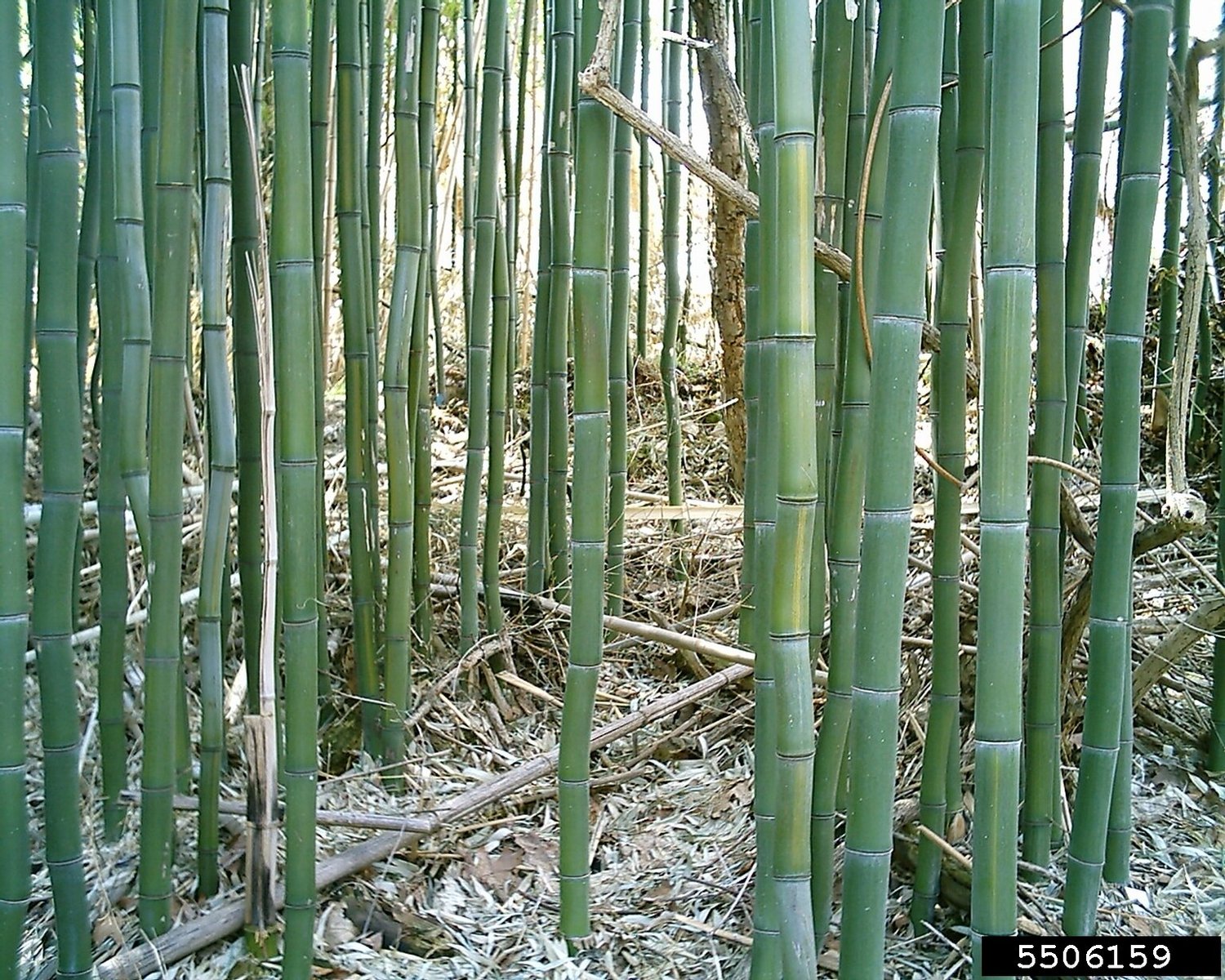
Bamboo (Viscose)
Source
Plant
Bamboo grass stalks | Varies
Compostable
Yes
Generally compostable if 100% viscose and not heavily coated; dyed/finished fabrics vary.
Top issues
Often marketed as “bamboo” but chemically it’s viscose rayon (regenerated cellulose).
Environmental impact depends on solvent recovery + wastewater treatment.
Bamboo viscose is cellulose dissolved and re-precipitated into fibers. It can biodegrade like other cellulosics, but the sustainability hinges on closed-loop chemical recovery and effluent treatment.
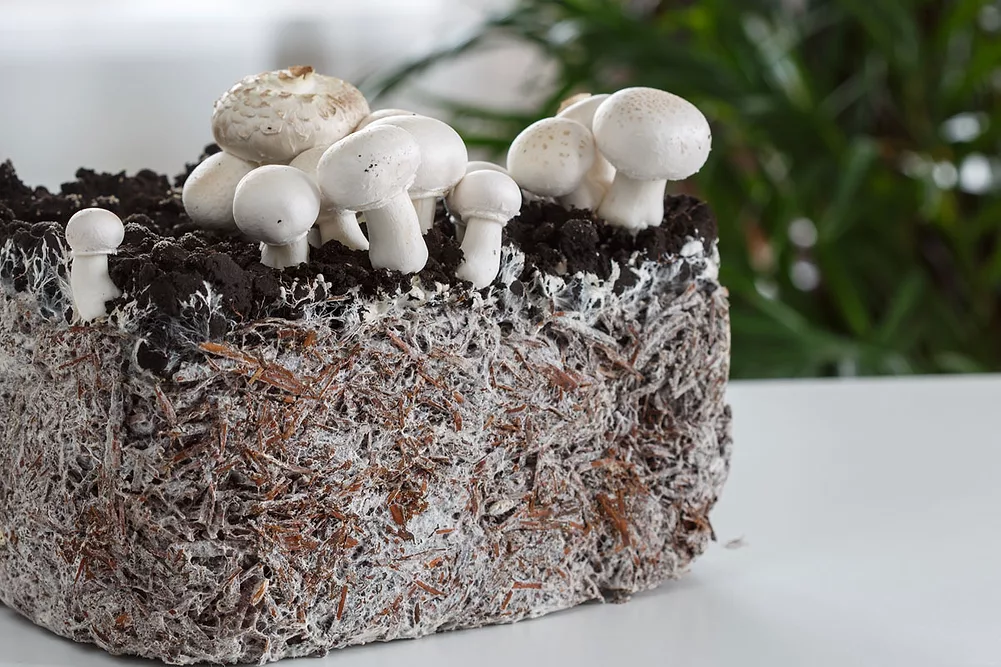
Mycelium Leather
Source
Plant
Fungi (mycelium root-like networks) | Varies
Compostable
Yes
Can be home compostable in ~45–60 days if not PU-coated; coatings/backings may make it non-compostable.
Top issues
Many products use PU coatings/backings, which reduce compostability.
Durability and performance vary by producer and finish system.
Mycelium materials are built from fungal cell-wall polymers. The key variable is finishing: PU coatings/backings can dominate both feel and end-of-life.
Alginates/cellulose-like polysaccharides (varies by species) + proteins
Scientific note
Algae-based textiles typically leverage seaweed polysaccharides (e.g., alginates). Claims vary widely—check the percentage of biobased content and whether synthetic binders are used.
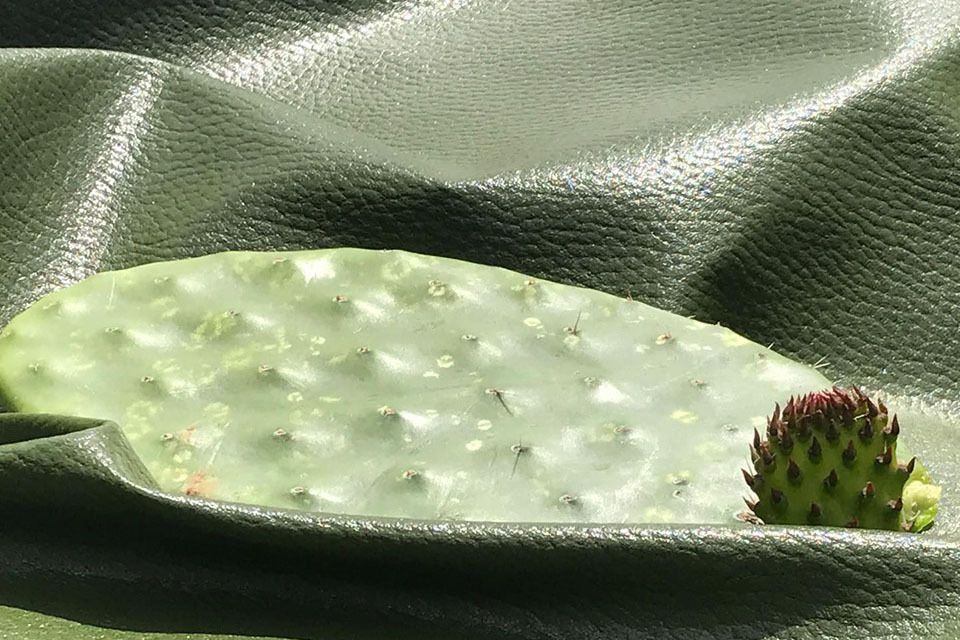
Cactus Leather
Source
Plant
Nopal cactus pads | Varies
Compostable
No
Often not compostable due to polymer binders/backings used for durability (varies by product).
Top issues
Many “cactus leather” products include PU/PVC components.
Cactus-based materials can reduce reliance on animal leather, but many commercial versions rely on synthetic binders/backings that determine durability and end-of-life.
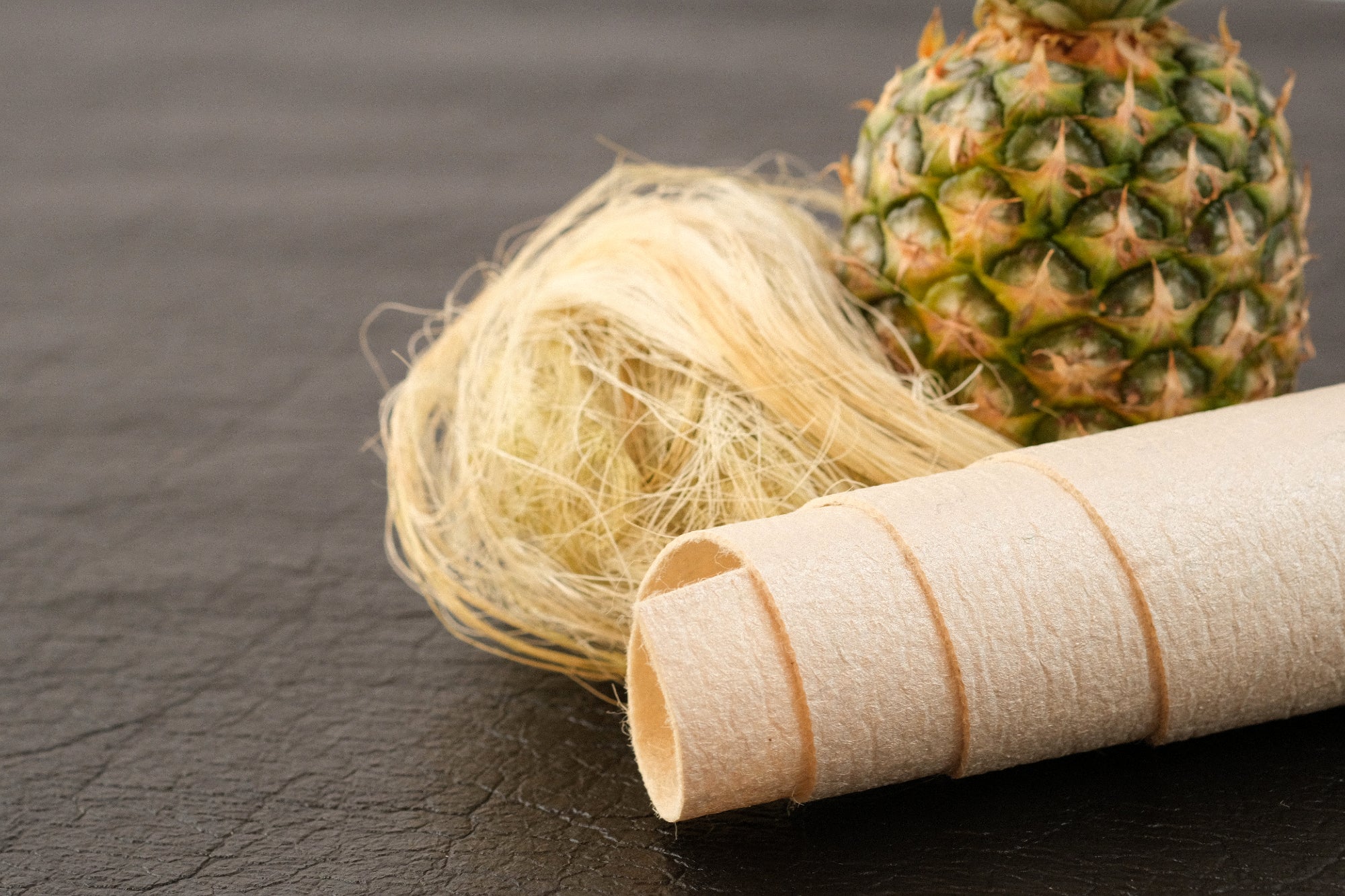
Pineapple Leather (Piñatex)
Source
Plant
Pineapple leaf waste | Varies
Compostable
Yes
Often partially biodegradable (e.g., 85–90%) but compostability depends on coatings/backings; verify product construction.
Top issues
Coatings/backings can reduce biodegradability and add plastic content.
Pineapple-leaf fiber composites can be lower-impact by using waste streams. The non-fiber components (coatings/backing) usually decide the real end-of-life.
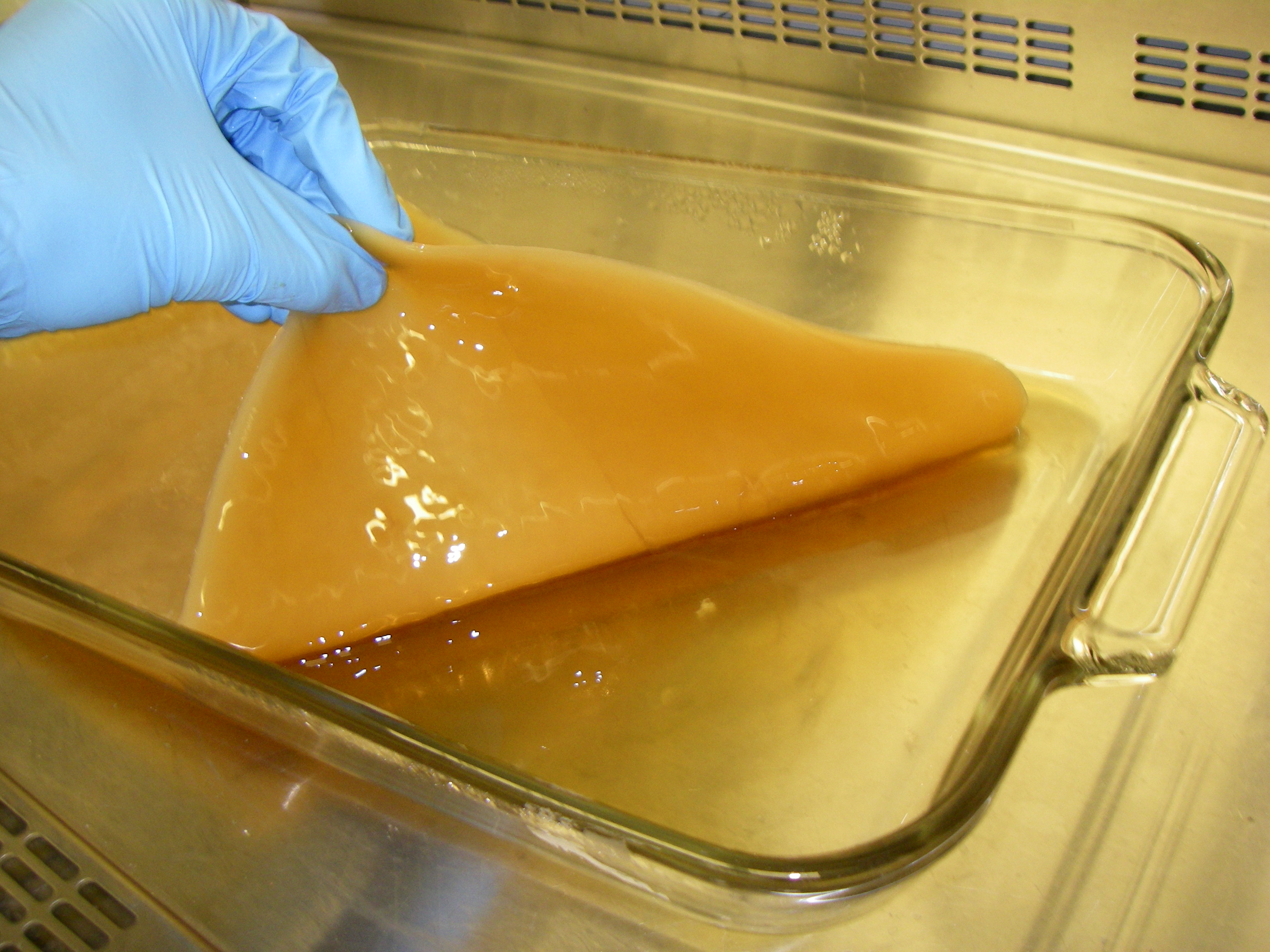
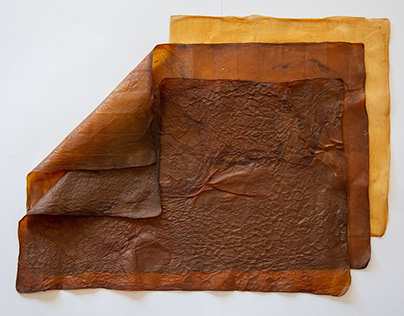
Kombucha Leather
Source
Plant
SCOBY (cellulose) fermentation pellicle | Varies
Compostable
Yes
Rapidly compostable in soil when uncoated; protective coatings can change end-of-life.
Top issues
Water resistance often requires coatings that reduce compostability.
Mechanical strength and wash durability vary widely.
Still experimental; production consistency can be challenging.
Weeks (fermentation growth; rapid composting if uncoated)
Dye type
Natural / pigment (finish-dependent)
Molecular origin
Cellulose (microbial)
Scientific note
Like bacterial cellulose, kombucha pellicles are cellulose networks. Great compost potential in pure form, but coatings for durability/waterproofing can negate it.
Banana Fiber
Source
Plant
Abacá stem waste | Varies
Compostable
Yes
Generally compostable if 100% fiber and uncoated; breakdown time varies with weave and finishing.
Top issues
Processing and retting can impact local water quality if unmanaged.
Abacá/banana fibers are cellulosic and can biodegrade under compost conditions. Like other plant fibers, the biggest variables are processing effluent and finishing chemistry.
Orange Leather
Source
Plant
Citrus peel waste | Varies
Compostable
No
Often not reliably compostable due to polymer binders/backings; verify product composition.
Top issues
End-of-life depends on binders/backings used.
Durability and wash performance may require coatings.
Byproduct stream (seasonal); biodegradation depends on construction
Dye type
Pigment / finish-dependent
Molecular origin
Pectin/cellulose-rich biomass + binders (varies)
Scientific note
Orange-waste textiles can valorize food waste streams, but most commercial versions are composites. The binder/backing determines whether it behaves like a biotextile or a coated plastic.
Spider Silk (Lab-Grown)
Source
Synthetic
Bio-engineered yeast (fermentation) | Global
Compostable
Yes
Potentially biodegradable as a protein fiber, but finishes/blends can slow breakdown; estimated 1–2 years depending on conditions.
Top issues
Biodegradation depends on protein structure + any coatings/blends used.
Scale-up energy inputs can dominate impacts (fermentation + downstream processing).
Still emerging; limited transparency on formulations.
Fermentation (variable); estimated biodegradation ~1–2 years (finish-dependent)
Dye type
Acid dyes / finish-dependent (protein affinity)
Molecular origin
Engineered silk-like proteins
Scientific note
Lab-grown spider silk is produced via fermentation and spun/formed into fibers or films. As a protein material it can be biodegradable, but real-world behavior depends heavily on processing, coatings, and blends.
The Material Sustainability Index
The Material Sustainability Index is a personal research framework I developed to grade fabrics based on five
specific pillars—Renewability, Toxicity, Footprint, Microplastics, and End-of-Life—that I believe are essential for
true sustainability. Please note that this system is based on my own research and values; it is not
approved, backed, or certified by any official organization, government body, or third-party regulator.